

Acne – Clinical Pathways Podcast
Current Status
Price
Get Started
Course Credit
The following credits are available for this course:
| AMA PRA Category 1 Credits™ (MD, DO, NP, PA) | 0.75 hours |
| Contact Hours (Nurse) | 0.75 hours |
| American Academy of Physician Assistants (AAPA) Category 1 CME Credits | 0.75 hours |
| CPE Credits (Pharmacist) | 0.75 hours |
| General Attendance | 0.75 hours |
(Note: a course evaluation is required to receive credit for this course.)
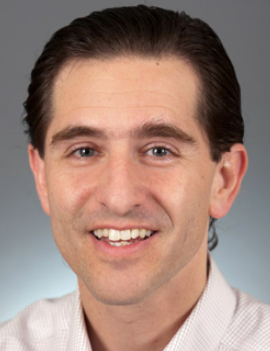
Joshua Borus, MD, MPH
Director, Medical Student and Resident Training in Adolescent/Young Adult Medicine, Boston Children’s Hospital
Director of Quality Improvement, Boston Children’s Hospital
Attending Physician, Division of Adolescent/Young Adult Medicine, Boston Children’s Hospital
Assistant Professor of Pediatrics, Harvard Medical School

Sophia Delano, MD
Dermatologist, Dermatology Program, Boston Children’s Hospital
Director, Quality Improvement and Physician Outreach, Boston Children’s Hospital
Director, Genodermatology, Boston Children’s Hospital
Instructor of Dermatology, Harvard Medical School

Moderator: Miya Bernson-Leung, MD, EdM
Program Director, Child Neurology Residency Training Program, Boston Children’s Hospital
Medical Director of Continuing Education, Center for Educational Excellence and Innovation, Boston Children’s Hospital
Assistant Professor of Neurology, Harvard Medical School
This episode of the Boston Children’s Hospital Clinical Pathways Podcast explores the development and implementation of the Acne clinical pathway, emphasizing the role primary care clinicians can play in managing this common, chronic condition. Through a dialogue between primary care and dermatology experts, the discussion highlights evidence-based treatment strategies, realistic expectations for therapy, adherence challenges, and the psychosocial impact of acne. The speakers also address emerging topics such as social media influences, treatment equity for patients with skin of color, and safe use of common acne therapies.
Clinical Pathways are educational reference tools developed by Boston Children’s Hospital clinicians which focus on the diagnosis and management of a wide variety of clinical conditions based on up-to-date evidence and expert practice. On this show, host Miya Bernson-Leung, MD, EdM, Medical Director of Continuing Education and a member of the Clinical Pathways Advisory Committee, interviews clinical experts to take you behind each pathway, discussing why the pathway was developed and key takeaways for clinicians seeking to implement the pathway and provide safe, effective, evidence-based care to children. You can find the full library at https://clinical.pathways.childrenshospital.org/.
Any treatment and/or medication recommendations within the pathway is provided for educational reference only, it is not intended as medical advice for individual patient care. Decisions about evaluation, diagnosis, and/or treatment are the responsibility of the patient’s treating clinician and should always be tailored to the individual patient’s clinical care needs.
Learning Objectives:
At the conclusion of this educational program, learners will be able to:
- Describe evidence-based approaches for the assessment and management of mild, moderate, and severe acne in the primary care setting, including when referral to dermatology is indicated.
- Apply patient-centered strategies to improve adherence and outcomes in acne treatment, with attention to anticipatory guidance, chronic disease management, psychosocial impact, and considerations for skin of color.

In support of improving patient care, Boston Children’s Hospital is jointly accredited by the Accreditation Council for Continuing Medical Education (ACCME), the Accreditation Council for Pharmacy Education (ACPE), and the American Nurses Credentialing Center (ANCC), to provide continuing education for the healthcare team.
Physician
Boston Children’s Hospital designates this live activity for a maximum of 0.75 AMA PRA Category 1 Credits ™. Physicians should claim only credit commensurate with the extent of their participation in this activity.
Nurse
Boston Children’s Hospital designates this activity for 0.75 contact hours for nurses. Nurses should only claim credit commensurate with the extent of their participation in the activity.
Physician Assistant
Boston Children’s Hospital has been authorized by the American Academy of PAs (AAPA) to award AAPA Category 1 CME credits for activities planned in accordance with AAPA CME Criteria. This activity is designated for 0.75 AAPA Category 1 CME credits. PAs should only claim credit commensurate with the extent of their participation.
Pharmacy
This activity carries a maximum of 0.75 contact hours. Pharmacists should only claim credit commensurate with the extent of their participation in the activity.
Disclosures
Boston Children’s Hospital adheres to all ACCME Essential Areas, Standards, and Policies. It is Boston Children’s policy that those who have influenced the content of a CME activity (e.g. planners, faculty, authors, reviewers and others) disclose all relevant financial relationships with commercial entities so that Boston Children’s may identify and resolve any conflicts of interest prior to the activity. These disclosures will be provided in the activity materials along with disclosure of any commercial support received for the activity. Additionally, faculty members have been instructed to disclose any limitations of data and unlabeled or investigational uses of products during their presentations.
The following planners, speakers, and content reviewers, on behalf of themselves, have reported the following relevant financial relationships with any entity producing, marketing, reselling, or distributing health care goods or services consumed by, or used on patients:
Joshua Borus, MD, MPH
Sophia Delano, MD
None
None
Miya Bernson-Leung, MD, EdM
None
Please see the FAQs below for common questions about how to work through a course. If you have a question or issue that is not addressed in the FAQ, please use this form to submit a help request, or if your issue is urgent, call the CME office at: 617-919-9908.
How do I navigate this course? There are two ways to access and navigate course content with the interactive table of contents: at the bottom of the main course page or in the sidebar on the right side of the page. Select the links in the table of contents to access the corresponding content. Depending on the course, access to content may be linear, in which case each content module or section can only be accessed if the prior ones are completed, or non-linear, in which case modules and sections can be accessed in any order. Use the breadcrumbs at the top of any course page to orient yourself within a course, or return to a previous course section or the main course page. How do I claim credit? If the course has been accredited, available credits will be displayed on the course home page. Select only those credits that apply to your profession, and click/tap “Apply Selection.” You may make your selection at any point while you are taking the course, or after you have completed it. How do I download a certificate? There are two ways to view/download your certificate: from within the course or from the course listing under your profile (select the document icon). In either case, you must have selected at least one available course credit type to generate a certificate. How do I view/print my transcript? You must be logged in to view your transcript. Select My Profile at the top of the page. If you do not see the transcript selector, be sure the Courses tab is selected. Select the type of credit and dates to include in your credit report. To include all credits from all time, leave the options blank. Select Download Transcript to view/download your transcript. Note each credit type in your transcripts starts a new page. How do I request a refund? Please email the CME Department to request a refund.How do navigate this course?
How do I claim credit for this course?
How do I download a certificate?
How do I view/print my transcript?
How do I request a refund?
View on Zencastr
Click Here to View Transcript
Miya Bernson-Leung 00:03
Hello and welcome to the Boston Children’s Hospital Clinical Pathways Podcast, a collaboration between the program for Patient Safety and Quality and the Center for Educational Excellence and Innovation. I’m your host, Miya Bernson-Leung, Medical Director of Continuing Education and a member of the Clinical Pathways Committee. Clinical pathways are educational reference tools developed by BCH clinicians based on current available evidence and local practice, which focus on the diagnosis and management of a wide variety of clinical conditions and allow discretion based on clinical judgment. You can access the clinical pathways library, including the pathway we will discuss in today’s episode, at clinical.pathways.childrenshospital.org, or on the BCH Clinical Pathways app for iOS or Android. In this podcast series, a team of moderators and I will interview clinical experts from Boston Children’s Hospital to take you behind the pathways. Why was the pathway developed, and what clinical need or practice problem is it trying to address? What are common knowledge gaps about the pathway’s topic and key takeaways for clinicians seeking to implement the pathway and provide safe, effective, and evidence based care to children. Each episode is accredited for continuing education credits for physicians, PAs, nurses, and pharmacists. To claim credit, go to dme.childrenshospital.org/clinicalpathwayspodcast. We hope you enjoy today’s episode. The moderators and speakers for today’s podcast have no relevant disclosures or financial conflicts of interest. Welcome back to the Clinical Pathways Podcast. This is your host, Miya Bernson-Leung, and I am delighted today to have two speakers talking about our pathway on acne. Today in the studio with us, we have Josh Borus, who is the Director of Medical Student and Resident Training in Adolescent and Young Adult Medicine, and the Director of Quality Improvement, as well as an attending physician in our Division of Adolescent and Young Adult Medicine, and an Assistant Professor of Pediatrics at Harvard Medical School. Good morning, Josh.
Josh Borus 02:08
Morning.
Miya Bernson-Leung 02:08
We also have Sophie Delano, an attending physician in our Dermatology program. Sophie is the Director of Quality Improvement and Physician Outreach and the Director of Genodermatology. She’s an instructor of dermatology at Harvard Medical School. Welcome Sophie.
Sophie Delano 02:23
Thanks for having us.
Miya Bernson-Leung 02:24
Thanks so much for both of you being here. I’m looking forward to hearing our primary care side and our specialist side having a conversation together about this very useful and very widely applicable pathway. So thank you both. Let’s start with just giving us a brief summary of the pathway. What are some of the things that, overall, you want to make sure people are aware of in terms of what this pathway is and who it is for?
Sophie Delano 02:49
Speaking from the dermatology perspective, we see so many patients with acne in our practice, and we know Josh and his colleagues in primary care are seeing even more of it. The iceberg, sort of the higher bit of the iceberg. You’re down a little bit lower. And knowing that there’s such a demand for acne treatment across the spectrum, we really wanted to come out with guidelines that are based on national guidelines such as the 2024 American Academy of Dermatology acne treatment guidelines to give primary care providers guidance in how to treat mild, moderate, and severe acne. Obviously, as dermatologists, we’re always there to be the referral and to take it from there. But there’s so much that can be done in that primary care home that we really wanted to try to be sharing our expertise.
Josh Borus 03:43
Yeah, that speaks to a great point. The reality is, there are more and more of these things that we can manage in the primary care setting, and I think particularly something like acne, which we know has such a significant impact on the way that people see themselves often, one might argue an outsize impact, but there are studies that show that patients with with- significant acne, basically, kind of relate the impact on their quality of life, similar to things like diabetes or other illnesses that people might consider more like immediately significant. The more that we can handle kind of quickly in a primary care setting, the better. When I think about the fact that there are, you know, unfortunately, they’re just not that many Sophies out there, right? And the wait to get in to see a pediatric dermatologist can be really long. If we can cut that time down by managing more and more of it at the primary care setting, it’s better for patients. It’s less time they have to think about and struggle with this issue that might be impactful for them. I guess the other part to it is the more and more that we can manage on the primary care side, the more space is opened up for patients to see Sophie and other pediatric dermatologists for other issues that we might not be as good at doing. And I feel like this is really a skill set that pediatricians and the primary care setting can really pick up with just a little bit of guidance, feel really confident about, and really spare those visits that need to go to pediatric dermatology for the ones who are really kind of like third or fourth level outliers.
Miya Bernson-Leung 05:04
Yeah, as a pediatric neurologist myself, as a specialist, I just really appreciate this partnership between primary care and specialty care to figure out how best to care for these patients together. So let’s dive in a little bit more. Josh, maybe we could start with you. How did you become involved in this topic, where was sort of the genesis of this pathway and these efforts?
Josh Borus 05:25
Yeah, no, it’s a great question. I think again, some of it kind of related to, honestly, a little bit of my personal experience as a teenager with acne and being a bit confused as someone who was kind of interested, but maybe not paying the most attention to my pediatric dermatology visits and just basically didn’t do as good a job with my acne as I could. And recognizing, I had a lot of access as a teenager to pediatric dermatology, I was quite lucky, but running across friends and then now in my work as a primary care doctor, many patients who don’t have that access, or for whom it’s a real struggle to get in for a variety of reasons, the more that I could bring this back into the primary care setting, the better. And my hope would be with this, that we can provide people with a starting point as primary care doctors to take care of acne. I think one of the things that sometimes is a little daunting to take care of it is there are many ways you could address or attack acne. And the JAAD guideline is great, but it does provide a multiplicity of options. And I think what this pathway does, and what we were hoping to do, is provide some like, one or two ways forward to make it a little bit simpler and make it easier for primary care docs to pick an option and go with it, rather than being overwhelmed by the large number of things that they could do.
Sophie Delano 06:38
And one of the things I like about the pathway, when thinking of it, is really focusing more on acne as a chronic condition. It’s not that you’re going to come in and you’re going to see that 14 year old and give them a cream and boom, their acne is going to be taken care of, that they’re going to be fine for the rest of middle school, high school years. Acne changes. People’s responses to different topicals change. And so in terms of having the pathway where the recommendations for seeing them back, checking in, seeing how compliance is going. Frankly, a lot of the things we get for acne are irritating, and it’s hard for teenagers to remember to do something multiple times a day. And so that idea of just that building a relationship around this condition, this sort of co-management with patient and physician, I think, is really important. You mentioned earlier, Josh, about the burden that acne has on patients that we just don’t think of it as that. You know, we don’t think of it as such a potentially debilitating condition, like severe eczema or something like that, but it really can be, and it’s ongoing.
Josh Borus 07:39
I think, to that point too, one of the nice parts about being able to manage more and more of this in the primary care setting is because there are some of these attendant comorbidities, which we might have a little bit more facility in the primary care space, managing things like depression. If that’s an issue that’s coming up, we can manage that right then and there, as opposed to you need to ping pong the patient back and forth. The other kind of, like, sneaky nice part about it is patients with acne tend to be pretty motivated to come back. And if it’s a patient you have concerns about for some other reason, or there’s some other thing you want to be checking up on, maybe it’s how things are going in school, or perhaps it’s some other medical condition that’s coming up. It’s a really nice way to get people to come back in a way where they’re immediately seeing some value with that. And then you can also maybe segue to this other, this other area, which might feel less important to them, but but might require some management.
Miya Bernson-Leung 08:28
Love that idea of just bringing things back to the medical home. How can we make sure that’s at least where the process is starting, and then when we do need to go to specialty care, incorporating that piece as well? One of the things that I appreciated in the pathway, and that, I think our listeners will appreciate when they pull it up in front of them, or if they have it up in front of them right now, there’s some really useful anticipatory guidance points for sort of what to expect for patients and families with the use of these medications. And are there any of those that you two would be interested in highlighting that you think are really important for providers to be sharing with their families?
Sophie Delano 09:02
The main one that I often stress with my patients is that this takes time. I wish I could give you a cream, and it’s going to turn around in a week or two. We have some other tricks of, prom’s coming up, and you have a bad lesion, we can handle that in dermatology. But I often stress, and that’s why we have in the pathway, seeing folks back in three months, because often it takes using something daily, or almost daily, to really to see an impact, and you’re going to have some natural flares from here to there. So the fact that that trying to use something for not just a few weeks, but a few months, is really going to be key. And also we do talk about things like I mentioned before, the potential irritation that some of the products can have. We want to know sooner rather than later. If they ditch their tretinoin cream after week two because they were getting too dry, the cream is just sitting in the drawer in the bathroom, it’s not helpful. So we definitely want to know about that.
Josh Borus 09:56
Yeah, and I think some of the emphasis on some of those talking points around, everybody is a little bit different, and everyone’s journey is going to be a little bit individualized. So here’s some general principles. Let’s start there, and then, as Sophie was saying before, it really is kind of an ongoing conversation, right? This is something that’s going to adjust and change over time, and so because this is more of a chronic issue that’s going to last over, unfortunately for the young person, probably years, let’s be open to discussing solutions that could come up, and knowing that there are always other things in the arsenal that we could pull out and use. Just to reiterate that point that Sophie had made before, I think one of the things that’s most striking to many of my patients, particularly with seeing things on social media that, I took this and my acne was better in four days, just really underscoring like, unfortunately, that is not correct, and I will often somewhat dramatically. Look at a calendar of the wall to point out today is date X. 3 months from now is date Y. We’re probably looking at date Y, and try and ground it in something in their experience, like something in the school schedule, or something with their summer plans or whatever. To give them some sense for when we can really expect this to be, to be working, just underscore this is gonna be something that takes some time to really, really get better.
Miya Bernson-Leung 11:02
So it sounds like, really important to be setting those expectations for this is going to take time, and also this is going to take adherence. You can’t just leave the medication in a drawer and expect it to be working. Are there any particular tips and tricks that you would have for our listeners about how to encourage- many of these are multiple times a day and taken over weeks. And that can be hard for anybody to really stick with. Any best practices for that?
Sophie Delano 11:26
In terms of, I know there’s a lot of literature things about, like, habit stacking, like finding a way to keep that product visible to you, to always tie it with something else that you’re going to be doing, like, you know, brushing your teeth and then you’re putting on your clindamycin in the morning. We mentioned we’re asking a lot of busy teenagers, and that’s also another important thing for us to do, is to try to really understand, do you feel like you’re going to be able to do this twice a day, or should we try to be moving towards a combination product that maybe we could hit once a day consistently, and that once a day consistency is going to be better for the skin in the long run than feeling like you try to have to do twice a day, and maybe not always making that.
Josh Borus 11:51
Yeah, I would totally agree. I feel like a lot of my conversation with patients starts somewhere along the lines like, what are you actually willing to do, maybe not even every day of the week, but most days of the week, and once we start there with their base that they feel like they could actually do, then we can take a little bit more intelligently about, like, what products are going to be the best ones, best ones for them. To Sophie’s point, like, I’ve had patients who have literally taped their their tretinoin to their toothbrush, because they always brush their teeth at night, and that way it’s very hard to not remember to put it on before you go to bed. But stacking with something you’re normally going to do anyway, seems to be the most effective way to get patients in a situation where they can succeed.
Miya Bernson-Leung 12:45
Love it. So the combination product is combination tretinoin and toothbrush.
Josh Borus 12:49
Exactly, exactly.
Miya Bernson-Leung 12:52
Any downsides to the combination products? That sounds pretty appealing to try and streamline or condense things.
Sophie Delano 12:57
They often don’t have the insurance coverage that the products would have either prescribed separately or one prescribed one over the counter, like a benzoyl peroxide gel. So that can be difficult. And it’s also- I try to reiterate this with my patients, that we don’t always know when you’re having a high deductible or how expensive this is going to be for you, so please let us know there’s always other things that we can try to get around this.
Miya Bernson-Leung 13:23
Got it. So it sounds like that’s another way, in addition to the pathway, very much structures individualizing care on severity, but then also, you can be thinking about a particular patient’s insurance status and things like that. Any other ways that you found it helpful to individualize care for particular patients, you know, particularly in promoting adherence or just overall success?
Josh Borus 13:47
It’s recognizing, again, taking that step back and recognizing this is probably one of many competing concerns for the adolescent, and recognizing as best we can whatever we can do to help put it in focus for the patient, kind of what to expect, and when to expect it, and when they have a realistic understanding of, like, what we can do and not do, and kind of what the pros and the cons are going to be, what the you know, the time costs, and perhaps [inaudible] costs, and some of those things will be, they can really make their own choice about it, right? And one way is, we’ve talked earlier about how acne is something that many people report having these significant outsized impacts on quality of life. The other hand was, as we all know, any of us who have teenagers, we can’t really make our teenagers do anything. We can barely make our three year olds do anything. What we can do is kind of let them know what some of the possible paths would be, and if they choose to kind of get along for the ride, we can be helpful with that. And there might be ways that we can make it easier for them to make the choice that you know, they know what they’re with their rational brain they want to make, even if they’re just in the moment, I’m busy and late for school and I’m not going to have time to do this brain. It may not always be the choice to make.
Sophie Delano 14:53
And one of the things I always try to stress with my patients, particularly those in the mild to moderate acne, where I’m not seeing evidence of permanent scarring, things like that, that your body, your choice. I’m going to lay out these options, and you’re going to find the one that works best for your situation, particularly when regards to like your nighttime tretinoin. And I also try to stress that some is better than none. If you can tolerate it two to three nights a week, that’s great. You know, I don’t want them to feel like because they’re not able to use it seven nights consistently, that then they shouldn’t use it at all. You know, yes, washing with soap and water is best, but if the only thing you can do after that busy sports practice is to wipe off your face with a cleansing cloth, that’s fine, too. Whatever you’re able to do. Obviously, when we start to see scarring in- sometimes this works, you know, or a pathway at the very end there of the severe pathway talks about referral for isotretinoin, then it becomes a different conversation, where we’re talking about, really want to minimize scarring, because we don’t have a lot of options for treating that once it’s formed, that’s a different conversation with patient and parent to have. Really when I’m not seeing those changes, I try to leave it up to the patient as much as possible.
Miya Bernson-Leung 16:10
Makes sense. All the flexibility and bringing the adolescents in for their their choice in the matter. Zooming out a little bit, are there some common knowledge gaps or pitfalls that you two have seen that you are really hoping that this pathway will help to address, or even misconceptions that you’re hoping it’ll dispel?
Josh Borus 16:29
Again, a big picture view is just this idea that treating acne is really confusing and really hard. I can see why people get to that point, because there really is this multiplicity of options and products, and so now it’s just because the pathogenesis of acne really involves many factors. It’s that you have to have the bacteria in place, there’s increased sebum production, there’s hyper proliferation of skin cells, and we have products that basically treat different points in those processes where we could basically address. And I think the big idea is, like, just like Sophie was saying, like, we should start. Right, if this is something that the patient is identifying as a problem, if we can start somewhere and we can give people some options or some guidance about a place to get going, that’s going to be really more important than trying to find the perfect way. The other reality to that is, like so many of the patients, again, things are going to change. Things are going to shift. They’re going to have some areas of compliance and some periods where they’re maybe not. As long as we start, we’re getting more information, kind of taking steps towards a cure or towards some help for them, and delaying because we’re going to wait six months to go see the specialist, probably does a disservice to the patient.
Sophie Delano 17:34
One of the areas- a knowledge gap that we ourselves have in dermatology, and therefore, I know it goes down to primary care as well in terms of treating acne, is thinking about our patients of color, darker skin types. It really is horrible that in dermatology are a lot of the models that we train on, the pictures we see in textbook are on fair Caucasian skin. So it’s really important to recognize acne looks different in different skin tones. And that’s what I really like in terms of our pathway, that we’ve tried to give examples of that for the mild, moderate, and severe, what it looks like in patients of color. Redness, that erythema that you can see with inflammatory lesions, may look different. It’s always great for then the provider to ask the patient themselves. Are these areas red on your skin? Do you see a lot of redness? Because they will know, they will know when their skin is red. Also, acne in skin of color, it can leave hyperpigmented lesions. These aren’t permanent, it’s not permanent scarring, but it’s still incredibly stressful for the patients, and can last for months, and it can read as acne, because it’s difference in their skin tone in these acne prone areas. So I think that’s something, a lot of work that I know we’re still continuing to do in dermatology, and that we just have to do in medicine in general, is to recognize the different presentations in skin of color, because that can mean recommending daily sunscreens where these patients may have not have used that before to help prevent worsening of that hyperpigmentation, or other medications, like using azelaic acid, which is known to help also with those hyperpigmented lesions.
Miya Bernson-Leung 19:09
Thank you so much for bringing that up. It’s such an important topic and highlighting the role that increasing the diversity of our representation in education can really make a difference for the clinical practice and therefore the patient outcomes. So I’m glad that you all and the team developing the pathway, as you mentioned, Sophie, incorporated these different examples on different skin tones so that people can really learn and be able to provide better care. You two mentioned some pretty recent dermatology guidelines that informed the pathway. Are there any other current hot topics and research that you think it would be important for our listeners to know about?
Sophie Delano 19:44
One of the things that folks may be reading a lot about now in social media, more mainstream conventional media sources, is the potential risk associated with acne products containing benzoyl peroxide. Late last year, there was a study released of sampling of many different products, acne products, with benzoyl peroxide, and found that a significant percentage of them were giving off a byproduct, benzene, which is known over long term exposure to cause cancer. Obviously concerning. We’re trying to treat acne. We don’t want to increase cancer risk. Since that time, there have been additional studies, one that was released by the FDA in March of this year, that re sampled a lot of consumer products out there and found that the overwhelming majority of them were safe, did not have those higher levels of benzene in them, there were a handful of products that did have higher levels of benzene, and those were recalled. So that’s something that’s always good for people to be checking. In general, we’re still learning about benzoyl peroxide, so this is still a conversation we’re having with patients when they come in to care. Some general best practices for using benzoyl peroxide are things like making sure you’re keeping the product in a cool environment. You’re not keeping it in your hot car in the summertime or next to your oven. I know places people usually don’t keep their acne products in general, but keeping the products cooler decreases the rate of benzene formation. Also making sure you’re not using expired products to put dates on those products, and even if they’re not expired, maybe tossing them out in 10 to 12 weeks. If someone doesn’t feel comfortable with benzoyl peroxide, I can understand that. You know, there’s still studies that are ongoing. Switching to something like over the counter salicylic acid products, where there are also some over the counter washes that have zinc, which also can be anti-acne in terms of their property. So something to think about there.
Miya Bernson-Leung 21:43
That’s really helpful to know that both people should be watching out for these products, making sure they’re not using things that are recalled or expired, but also that some benzoyl peroxide containing compounds are safe and can continue to be used. I’m sure, Josh, you’re hearing about this from your patients, if it’s out there on social media.
Josh Borus 22:01
I learn a lot from my patients every single day, and this is certainly something that’s come up in my practice where I found a patient brought it up, and I had to go explore it with them right then and there, because it was news to me. And so we were able to learn together. And what we did find out, again, was this was a risk, and we were able to talk about the risk, but then also the fact that a lot of that risk we were able to allay because more science was done, and there were more studies demonstrating the relative risk and relative benefit. Sophie, one of the things that, you know, I see with a lot of my patients is the impact of social media on what they feel is the right thing to be using for their skin. You know, I think one of the things we’re hoping with this pathway is we can help address some of those issues. But I’m curious kind of what your experience has been, what have been some of the products that people have told you must work because they saw it on their influencer of choice. Or what are some things that you found that patients are using that are probably actively damaging or making acne worse?
Sophie Delano 22:51
Well, one of the things I find is right, people are consuming this. There’s so much information out there. There’s so much content that, you know, as they click on one influencer with skin recommendations, they’re just going to be getting hundreds more that they start to develop very elaborate routines. This is at the other end of the spectrum, the kids you’re trying to track down and just have them wash their face a couple of times a week, versus the really committed patient who is using five to ten different products on their face at a time, and we have the luxury more in dermatology of having more time to devote to this one issue of really needing sometimes we’ll ask a couple of times, what else are you using on your face? What other treatments? Masks, exfoliators, things like that, things that could be irritating to their skin when we start to stack multiple like hyaluronic acid on top of our salicylic acid, our benzoyl peroxide, our tretinoin. You know, it’s really crucial. I tell people, I recommend, okay, we’re not throwing all your products away. We’re putting them in the drawer and for the next few months, if we can just focus on what I’m recommending now, you know, what’s in the guidelines, not that we’re bringing out the guidelines and showing patients okay here, we’re doing this bubble right here, but I really want to see what these prescription products are going to do for you, how your skin’s going to react, and I know there can be some irritation, so I’m trying to minimize that as well. And if we can just really try. I’ll let them use their moisturizers if they want to, if I feel like they’re not irritating. But for the other ones, the more active ingredient based products, to have them hold off and to not use that for a while. Sometimes it works, sometimes it doesn’t, but I try to just be very clear, okay, this is going to be going on your skin. We’re sort of all in agreement. Then when they come back, we can take it from there in terms of if they improved or not, if they had any side effects. I know what the potential interactions may be coming from.
Josh Borus 24:48
It’s so interesting because the other part of it that comes up for me, not only the skin routines sometimes elaborate, but they end up being really costly. So that’s an emphasis that I often make with patients. Like, let’s talk really, like, how much did you spend on your skin last month? It’s often surprising to me anyway, and sometimes that’s a perspective I can share with the patients. Like, look, I hear you spending all this and you’re still not happy with how things look. To your point like, can we put all those things in the drawer? We’re not throwing them out, but can we save them for three months? Try this other option, which is almost certainly going to be cheaper because of- we can manage it in a way that will either work with insurance or get you some of those products and hopefully get you better treatment for a cheaper cost that also doesn’t take as much of your time.
Miya Bernson-Leung 25:28
So for me as a neurologist, I see a lot of patients with migraine, and will often have a conversation about whether or not they could take OCPs for acne, for instance. So are patients coming to you considering that, or how are you counseling patients around the use of OCPs and what benefits they might potentially have for their acne?
Josh Borus 25:48
Yeah, that’s a great question. It’s certainly not kind of like in the first tier for most of our patients with acne, but it is a thing that we, at times, might get to with some of our patients, and so it is a conversation that does come up. Obviously, there are different risks and different considerations with OCPs. And again, one of the nice parts about having this in the primary care realm is there might be other reasons people would use use OCPs as well, and so we can talk about and address those as well and make sure that patients are taking the right medication for them that and maybe something that could help them in a number of ways or with different issues in their lives. I think the big thing that we typically stress with OCPs with our patients is just while treating acne may take a while, because the hormonal cycle we’re trying to influence with these pills is drawn out over months, it might take even longer to see a real benefit with the OCPs. And I also would almost always stress that it’s probably never the right thing to be taking alone for acne, it’s something that would really be an adjunct to the more topical treatments to basically make sure we’re again attacking that acne from different ways. The way I like to stress it to patients is, are there these different ways that- different conditions that need to be met for acne to kind of really be in full force in your face or on your back or on your chest, and if you can approach and attack it from different angles, those things add up and act synergistically to really reduce their risk going forward.
Miya Bernson-Leung 27:05
Got it, makes sense. Thank you. Well, anything else that you’d like us to highlight from the pathway, anything else that you think would be important for our listeners to know about?
Josh Borus 27:15
Yeah, I think the big thing is just primary care docs, you can- you can do this. You could do much more complicated things all the time, every day, and this is something where, again, the more and more that we can take this back and really save those rare cases for pediatric dermatology, it’s really a benefit to our patients because they’re able to get more timely care, and it’s a benefit for the profession, because we’re able to save those visits with dermatology for things that really are more complicated and really are harder to manage.
Miya Bernson-Leung 27:43
Love the message of empowerment, thank you. And for people who don’t have the pathway right in front of them, it really does walk- for me as a neurologist, even I could follow walking through the steps of you know, try this and then try this, and then try this, depending on the severity and the context. So I’m hopeful that this will, as you say, help to empower those providers to make those decisions and kind of cut through all of the different possibilities. Last but not least, we have our icebreaker question, which I realize we’re putting at the end, not the beginning. So maybe we’ll start with you, Sophie. If you could create or commission a pathway about anything, what would it be?
Sophie Delano 28:16
How to get off an airplane. I would like everyone with an aisle seat, where space permits, to be standing up, getting their luggage out of those overhead bins, maybe opening the overhead bins that your bag isn’t in. But just to make sure everything’s open, easily accessible, you’re popping up so when your row is ready to go, when you’re called, you are there with your rolling bag. You are heading out the aisle. It’s going as smoothly as possible. I’m not one of the ones who like rushes the aisle and really tries to cram in. But when I see gaps, you know, like the knowledge gaps in treating acne and primary care, I like to have them filled.
Miya Bernson-Leung 28:55
I love this plan. I strongly endorse this plan. We’ll disseminate it across, across the airlines. Josh, how about you?
Josh Borus 29:02
I had two thoughts. One is also transportation related. As someone who grew up in Boston and as a proud Boston driver, I do have to say merging is a seemingly a more complicated skill than I would have imagined, and driving in traffic, just recognizing like really staying in your lane, makes this better for everybody. You don’t have to slow down and stop to see what was happening two lanes over. What if we all agreed to just keep moving and everyone would be happier. Would be the first one. The second one is fairly personal, but as somebody with three kids with busy schedules and one of two working adults in the family, just some sort of pathway to basically help us manage like all the things that happen once kids get out of school, getting dinner on the table, getting people to soccer practice, understanding this- how we’re going to manage and move kids to get to this birthday party, or that, that would be really awesome.
Miya Bernson-Leung 29:53
Oh my goodness, all of these speak to me. The traffic one we can specifically have an arm for, is it raining? The same rules still apply. Just keep driving. Wonderful. Well, we will get our pathway elves hard at work on creating all of these for the betterment of society. Sophie, Josh, thank you so much. This has been a wonderful conversation, getting to hear both of your perspectives, and we hope that our listeners will join us for the next episode of the Clinical Pathways Podcast. Thank you so much.
Sophie Delano 30:22
Thank you.
Josh Borus 30:23
Thanks for having us.
Miya Bernson-Leung 30:26
Thanks for listening to this episode of the Clinical Pathways Podcast from Boston Children’s Hospital. Please leave us a review, like, and subscribe wherever you get your podcasts. A reminder to all physicians, PAs, nurses, and pharmacists: to claim your continuing education credits for listening to today’s episode, please visit dme.childrenshospital.org/clinicalpathwayspodcast and complete the short survey attached to this episode. The content of this episode and the related pathway was developed by clinicians at Boston Children’s Hospital. Any treatment and/or medication recommendations within the pathway is provided for educational reference only. It is not intended as medical advice for individual patient care. Decisions about evaluation, diagnosis and/or treatment are the responsibility of the patient’s treating clinician and should always be tailored to the individual patient’s clinical care needs. For more information about the clinical pathways or this podcast series, email pathways@childrens.harvard.edu. You can also find the Center for Educational Excellence and Innovation on LinkedIn, at linkedin.com/showcase/bostonchildrensceei.