

Lead Poisoning – Clinical Pathways Podcast (24 min.)
This episode of the Boston Children’s Hospital Clinical Pathways Podcast explores the Lead Poisoning clinical pathway, emphasizing prevention, early detection, and coordinated management of childhood lead exposure. The discussion highlights populations at highest risk, the intersection of housing, nutrition, and environmental justice, and the critical role of partnerships between clinicians, families, and public health systems. The pathway is designed to empower clinicians to navigate screening requirements, support families through complex follow-up, and reduce the neurodevelopmental impact of lead exposure.
$0.00
Description
This episode of the Boston Children’s Hospital Clinical Pathways Podcast explores the Lead Poisoning clinical pathway, emphasizing prevention, early detection, and coordinated management of childhood lead exposure. The discussion highlights populations at highest risk, the intersection of housing, nutrition, and environmental justice, and the critical role of partnerships between clinicians, families, and public health systems. The pathway is designed to empower clinicians to navigate screening requirements, support families through complex follow-up, and reduce the neurodevelopmental impact of lead exposure.
Clinical Pathways are educational reference tools developed by Boston Children’s Hospital clinicians which focus on the diagnosis and management of a wide variety of clinical conditions based on up-to-date evidence and expert practice. On this show, host Miya Bernson-Leung, MD, EdM, Medical Director of Continuing Education and a member of the Clinical Pathways Advisory Committee, interviews clinical experts to take you behind each pathway, discussing why the pathway was developed and key takeaways for clinicians seeking to implement the pathway and provide safe, effective, evidence-based care to children. You can find the full library at https://clinical.pathways.childrenshospital.org/.
Any treatment and/or medication recommendations within the pathway is provided for educational reference only, it is not intended as medical advice for individual patient care. Decisions about evaluation, diagnosis, and/or treatment are the responsibility of the patient’s treating clinician and should always be tailored to the individual patient’s clinical care needs.
Learning Objectives: At the conclusion of this educational program, learners will be able to:
- Identify evidence-based recommendations for the screening, testing, and outpatient management of childhood lead exposure, including age-based screening guidelines and risk factors that warrant additional testing.
- Apply a multidisciplinary, public health–informed approach to caring for children with elevated blood lead levels, incorporating environmental mitigation, nutritional support, developmental surveillance, and collaboration with public health agencies.
 In support of improving patient care, Boston Children’s Hospital is jointly accredited by the Accreditation Council for Continuing Medical Education (ACCME), the Accreditation Council for Pharmacy Education (ACPE), and the American Nurses Credentialing Center (ANCC), to provide continuing education for the healthcare team.
Physician
Boston Children’s Hospital designates this live activity for a maximum of 0.5 AMA PRA Category 1 Credits ™. Physicians should claim only credit commensurate with the extent of their participation in this activity.
Physician Assistant
Boston Children’s Hospital has been authorized by the American Academy of PAs (AAPA) to award AAPA Category 1 CME credits for activities planned in accordance with AAPA CME Criteria. This activity is designated for 0.5 AAPA Category 1 CME credits. PAs should only claim credit commensurate with the extent of their participation.
Nurse
Boston Children’s Hospital designates this activity for 0.5 contact hours for nurses. Nurses should only claim credit commensurate with the extent of their participation in the activity.
Pharmacy
This activity carries a maximum of 0.5 contact hours. Pharmacists should only claim credit commensurate with the extent of their participation in the activity.
Disclosure Policy
Boston Children’s Hospital adheres to all ACCME Essential Areas, Standards, and Policies. It is Boston Children’s policy that those who have influenced the content of a CE activity (e.g. planners, faculty, authors, reviewers and others) disclose all relevant financial relationships with commercial entities so that Boston Children’s may identify and resolve any conflicts of interest prior to the activity. These disclosures will be provided in the activity materials along with disclosure of any commercial support received for the activity. Additionally, faculty members have been instructed to disclose any limitations of data and unlabeled or investigational uses of products during their presentations.
Disclosure Statement
The following planners, speakers, and content reviewers, on behalf of themselves, have reported the following relevant financial relationships with any entity producing, marketing, reselling, or distributing health care goods or services consumed by, or used on patients:
Marissa Hauptman, MD, MPH, FAAP: None
Miya Bernson-Leung, MD, EdM: None
Additional information
| Credit Type | AAPA Category 1 (Physician Assistant), AMA PRA Category 1 Credits™ (MD, DO, NP, PA), Contact Hours (Nurse, Nurse Practitioner), CPE Pharmacy |
|---|---|
| Duration | |
| Format | |
| Topic | |
| Expiration Date | |
| Release Date |
Faculty
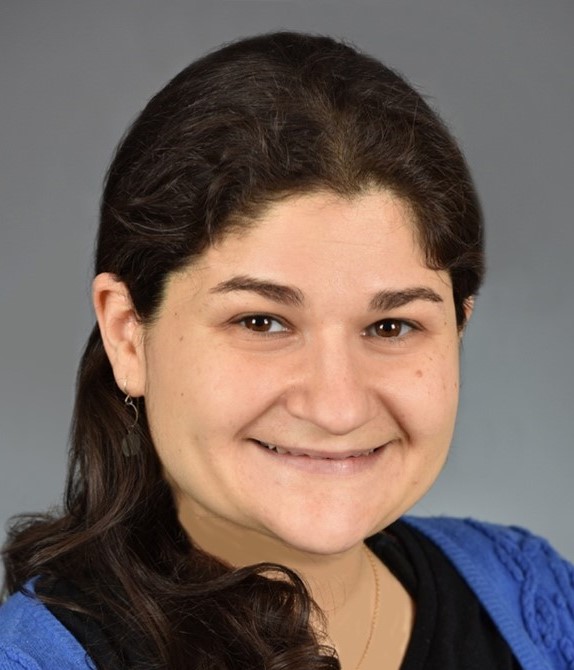 Marissa Hauptman, MD, MPH, FAAP
Co-Director, Pediatric Environmental Health Center, Boston Children’s Hospital
Pediatrician, Children’s Hospital Primary Care Center (CHPCC), Boston Children’s Hospital
Assistant Professor of Pediatrics, Harvard Medical School
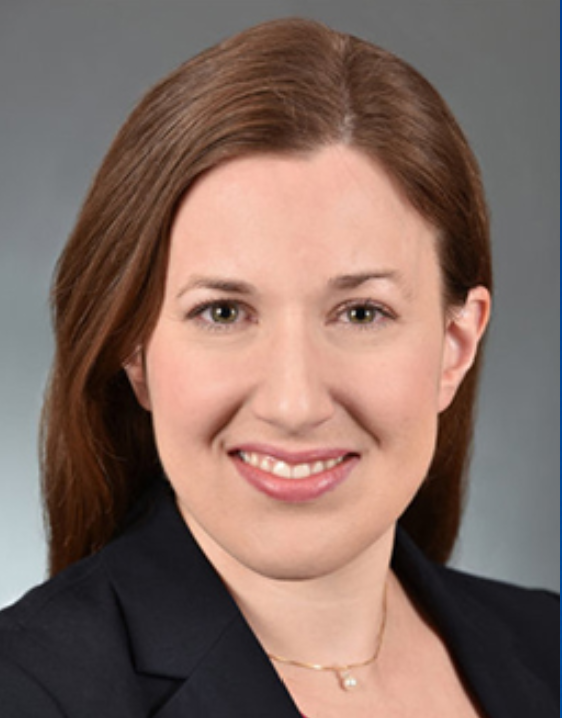
Moderator: Miya Bernson-Leung, MD, EdM
Program Director, Child Neurology Residency Training Program, Boston Children’s Hospital
Medical Director of Continuing Education, Center for Educational Excellence and Innovation, Boston Children’s Hospital
Assistant Professor of Neurology, Harvard Medical School
Related products
-

Caring for Deaf and Hard of Hearing Children After a New Diagnosis: An Overview for the Medical Home (1 hr.)
$0.00 Add to cart -

Epidemiology and PIMU Screening (27 min.)
$25.00 Add to cart -

Understanding Functional Neurological Disorders: The Art and the Science (19 min.)
$25.00 Add to cart -

Insect-Related Disease Case Study (15 min.)
$10.00 Add to cart
