

Complex Care Fellowship
Overview
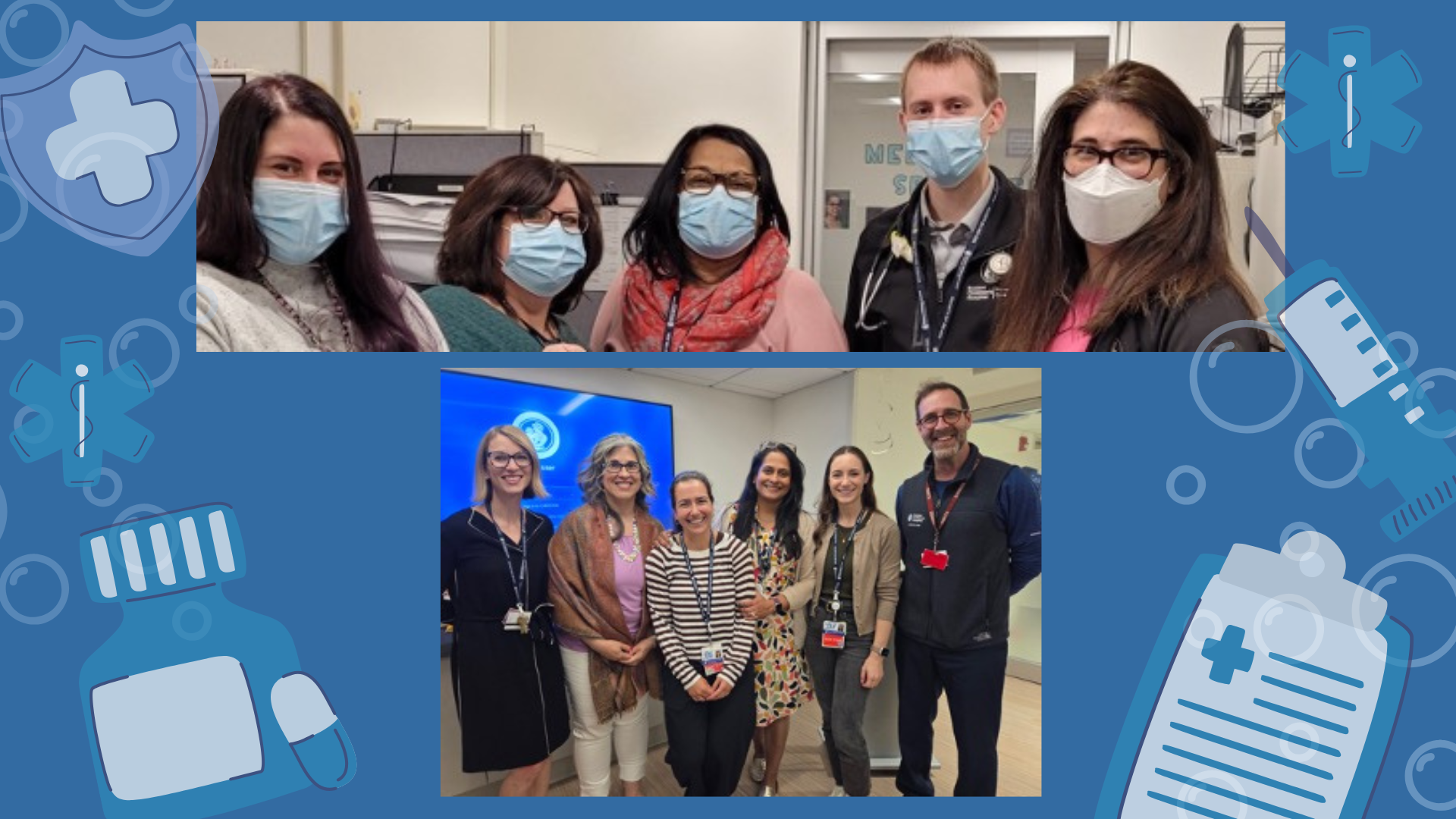
Goals of the Complex Care Fellowship Training Program
The Boston Children’s Hospital Complex Care Fellowship is a two-year program designed to prepare pediatricians for careers caring for children with medical complexity. Fellows develop the knowledge, clinical judgment, and leadership skills needed to provide thoughtful, patient- and family-centered care across inpatient and outpatient settings.
The fellowship combines robust clinical training with individualized mentorship to support each fellow’s learning needs and career goals. Throughout the program, fellows work within an interprofessional team that includes nursing, advanced practice providers, and social work, while receiving dedicated guidance from complex care faculty.
In addition to clinical training, fellows participate in scholarship and have opportunities to grow as educators, advocates, and future leaders in the field. By the end of fellowship, graduates are prepared to deliver high-quality complex care, collaborate across systems, and contribute meaningfully to clinical care, education, research, and program development.
Training & Curriculum
Training & Curriculum
Training Overview
The Complex Care Fellowship offers comprehensive clinical and academic training in the care of children with medical complexity across inpatient and outpatient settings. The curriculum is designed to provide broad exposure to complex care practice while allowing flexibility to support each fellow’s individual learning needs and career goals.
Clinical Training
Clinical training includes exposure to a wide range of care models and settings, including primary care medical home, consultative care coordination, multidisciplinary clinic care, perioperative care, inpatient care, palliative care, urgent care, home care, telehealth, post-acute facility care, and skilled nursing facility care. Through these experiences, fellows develop expertise in the comprehensive, team-based management of children with medical complexity and the systems of care that support them.
Throughout fellowship, fellows provide longitudinal care to their own panel of children with medical complexity. Fellows serve as primary clinical managers for a cohort of patients, helping address the full spectrum of care needs, including chronic medication management, durable medical equipment, acute illness care, and coordination with subspecialists and community providers. Fellows work closely with an interprofessional team that includes nurses, social workers, case managers, therapists, and schedulers, reflecting the collaborative nature of complex care practice.
Fellows participate in several core clinical programs:
- Rainbow Program: A primary care medical home for children and youth with special healthcare needs.
- Complex Care Service (CCS): A consultative health home for children with an existing community-based primary care provider. CCS includes outpatient clinic visits, a dedicated inpatient hospitalist service, and home visits.
- Cerebral Palsy and Spasticity Center: A multidisciplinary program focused on the care of children and youth with cerebral palsy and abnormal muscle tone, in collaboration with Orthopedics, Physiatry, Neurology, Neurosurgery, physical and occupational therapy, social work, and complex care.
- Spina Bifida and Congenital Spinal Anomalies Center: A multidisciplinary program focused on the care of children and youth with spina bifida, in collaboration with Neurosurgery, Urology, Nephrology, Gastroenterology, Plastic Surgery, Orthopedics, Physiatry, Endocrinology, physical therapy, social work, and complex care.
- Aerodigestive Center: A multidisciplinary program focused on the care of children and youth with dysphagia, feeding difficulties, respiratory symptoms, and related gastrointestinal issues, in collaboration with Gastroenterology, Pulmonology, Feeding Team, Nutrition, social work, and complex care.
- Craniofacial Program: A multidisciplinary program focused on the care of children and youth with a craniofacial condition, in collaboration with Plastic Surgery, Oral Surgery, Neurosurgery, Dentistry, Genetics, social work, and complex care.
Curriculum and Educational Approach
The fellowship curriculum is structured around the knowledge and skills essential to the care of children with medical complexity. Fellows develop expertise in clinical assessment, shared decision-making, care coordination, advocacy, and interprofessional collaboration through a combination of direct patient care, longitudinal mentorship, and formal teaching.
The curriculum is organized around a framework of entrustable professional activities (EPAs) that define the essential clinical activities involved in caring for children with medical complexity. These curricular components, developed by a national team of complex care clinicians, educators, and family leaders, are used to structure both training and assessment.
Key curricular areas include:
- evaluating and managing common clinical issues in children with medical complexity
- providing routine care and troubleshooting common issues for children who use medical technology
- performing comprehensive perioperative assessment and management
- developing and implementing safety and emergency plans
- facilitating team-based, patient- and family-centered care coordination
- advocating for children with medical complexity and their families
Fellows also have opportunities to teach medical students, residents and other learners, and to develop as clinician-educators throughout training. Fellows have the opportunity to participate in educational programming at Harvard Medical School and in the Boston Combined Residency Program, the pediatric residency program based at Boston Children’s Hospital and Boston Medical Center.
Fellows participate in a structured seminar series that supports clinical development, scholarship, and career growth. As in comparable fellowship models, these seminars include career development, clinical teaching, research discussion, and regular opportunities to present works in progress and receive mentorship and feedback.
Seminars and conferences may include:
- Fellowship seminars focused on career development topics
- Clinical teaching series and case-based discussions addressing important issues in chronic illness, disability, care coordination, and advocacy
- Journal clubs in which fellows and faculty discuss literature relevant to clinical care and health systems for children with medical complexity
Research
Research and Scholarship
The Complex Care Fellowship includes dedicated time and mentorship to help fellows grow as scholars in the field of complex care. During the second year of training, clinical responsibilities decrease so fellows can focus more intensively on scholarly work and career development.
Each fellow works with an assigned mentor to develop and complete a scholarly project related to children with medical complexity. Projects may focus on clinical care, education, quality improvement, advocacy, health systems, or other areas of interest. Through this work, fellows build skills in study design, methods, analysis, and dissemination.
Fellows benefit from mentorship by faculty with expertise across a wide range of disciplines, including healthcare administration, finance, medical education, medical informatics, quality improvement, systems engineering, and health services research. They also have access to local, regional, and national data resources that support scholarship in complex care.
Scholarly development is supported through seminars, journal clubs, biannual Works in Progress sessions, and formal research and career development courses offered through the Clinical Research Center and the Offices of Fellowship Training and Graduate Medical Education.
This combination of mentorship, protected time, and academic training prepares fellows to contribute scholarship that improves care for children with medical complexity and advances the field.
Our Team & Contact
Meet Our Team
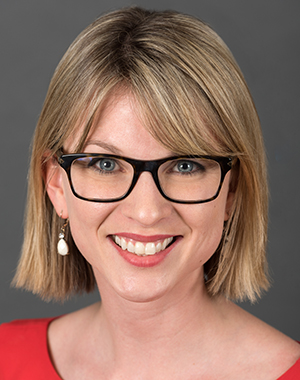
Fellowship Director
Kathleen.Huth@childrens.harvard.edu
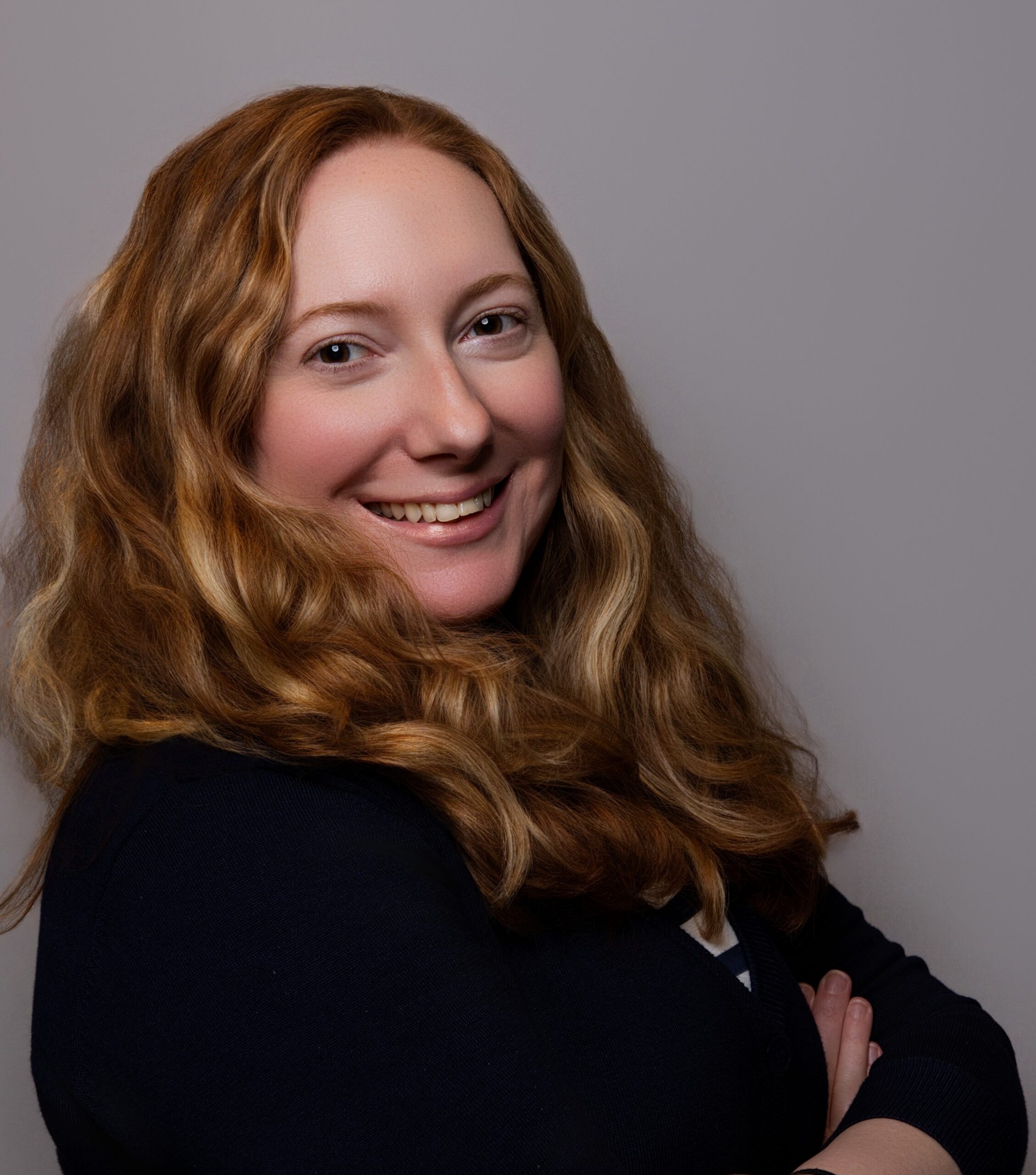
Laura Nealon
Program Administration Manager
Laura.Nealon@childrens.harvad.edu
Anna Schlemmer
Fellowship Coordinator
Anna.Schlemmer@childrens.harvard.edu
Meet Our Faculty
- Bianca Quiñones-Pérez, MD
Our Fellows
Meet Our Current Fellows
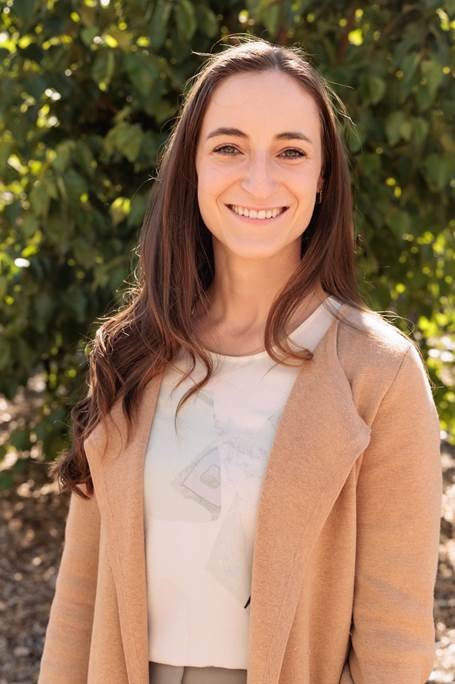
Rachel Bethune, MD, is a second-year Complex Care Fellow at Boston Children’s Hospital and is completing a concurrent Fellowship in Bioethics at Harvard Medical School. She completed her Pediatrics residency at the University of Manitoba, Canada where she served as the President of the Professional Association of Residents and Interns of Manitoba (PARIM) and sat on the Board of the Resident Doctors of Canada. Her scholarly interests focus on the intersection of complex care and critical care, care coordination at transitions of care, and ethical decision-making for children with medical complexity.
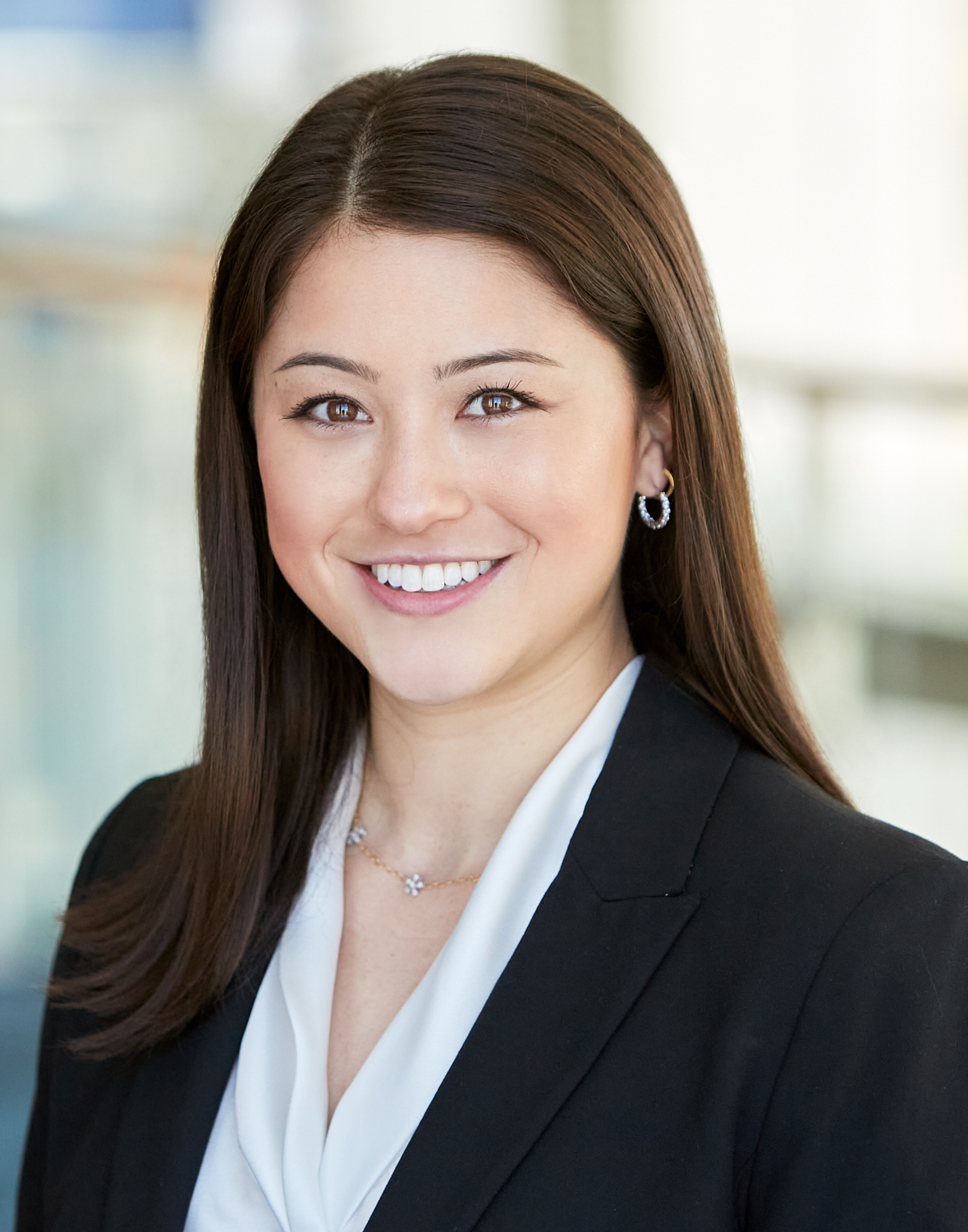
Caroline Leahy, MD, has a longstanding commitment to caring for medically complex children, shaped by her undergraduate historical research on trisomy 21 and clinical research on autism and executive function in young children. She completed her pediatrics residency at The Children’s Hospital of Philadelphia (CHOP) and is now an inpatient Pediatric Hospitalist, refining her skills in managing medically complex inpatients. Through the Complex Care Fellowship at Boston Children’s, she aims to expand her expertise to both inpatient and outpatient settings, deepen her understanding of integrated care models, and pursue research focused on improving the experience of medically complex patients and their families as they navigate the healthcare system.
Alumni
Meet the Complex Care Fellowship Alumni
- Anjum Ahmed, MD, graduated from the Complex Care Fellowship in 2024. She is currently an attending physician at Children’s Hospital Los Angeles.
- Florence Gagné, MD, graduated from the Complex Care Fellowship in 2025. She is currently at Montreal Children’s Hospital as a pediatrician primarily in the complex care service.
- Alexander Strzalkowski, MD, graduated from the Complex Care Fellowship in June 2023. He is currently at Children’s Specialized Hospital as a pediatrician in the Special Needs Primary Care clinic.
Apply
To apply to the Complex Care Fellowship, please see the instructions below.
Please submit the following along with the Complex Care Fellowship application:
- Letter of Intent
- Curriculum Vitae
- Three (3) letters of reference – one must be from the Residency Program Directo
- Applications for July 2026 entry are closed.
- The updated application and instructions for July 2027 entry will be posted in June 2026.