


Heavy Metals in Baby Food and Formula
Current Status
Price
Get Started
Course Credit
The following credits are available for this course:
| AMA PRA Category 1 Credits™ (MD, DO, NP, PA) | 0.5 hours |
| ASWB ACE Continuing Education Credits (Social Worker) | 0.5 hours |
| General Attendance | 0.5 hours |
(Note: a course evaluation is required to receive credit for this course.)
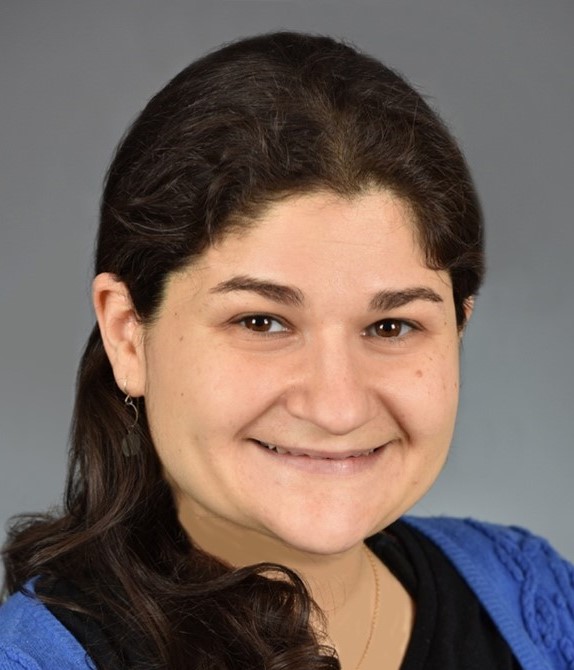
Marissa Hauptman, MD, MPH
Co-Director, Pediatric Environmental Health Center, Boston Children’s Hospital
Co-Director, Region 1 New England Pediatric Environmental Health Specialty Unit
Chief Medical Advisor, Bureau of Climate and Environmental Health, Massachusetts DPH
Assistant Professor, Harvard Medical School
Heavy metals in baby food and formula are a public health concern due to the potential health impacts of prolonged exposure on brain development. Because babies and children have developing brains, they are more vulnerable to the impacts of heavy metals, and prolonged exposure to heavy metals can have effects on children’s learning, attention, and behavior.
This module equips clinicians and public health professionals with the resources to identify at-risk populations, assess exposure and health risks, and provides guidance on how to minimize exposure to heavy metals in baby food and formula.
The Heavy Metals in Baby Food and Formula module is part of the Environmental Health Hazards e-learning series. It is designed to be self-paced and should take most learners approximately 30 minutes to complete.
Learning Objectives:
At the conclusion of this educational program, learners will be able to:
- Identify sources of heavy metal contamination in baby food and formula, and common ways people may be exposed
- Identify who is most at risk
- Understand connections between exposure to heavy metals in baby food and formula and health equity
- List ways to minimize exposure to heavy metals in baby food and formula and health risks
- Understand the important role of health care providers and local health officials in risk communication and exposure prevention

In support of improving patient care, Boston Children’s Hospital is jointly accredited by the Accreditation Council for Continuing Medical Education (ACCME), the Accreditation Council for Pharmacy Education (ACPE), and the American Nurses Credentialing Center (ANCC), to provide continuing education for the healthcare team.
Physicians
Boston Children’s Hospital designates this live activity for a maximum of 0.5 AMA PRA Category 1 Credits™. Physicians should claim only credit commensurate with the extent of their participation in this activity.
Social Worker
As a Jointly Accredited Organization, Boston Children’s Hospital is approved to offer social work continuing education by the Association of Social Work Boards (ASWB) Approved Continuing Education (ACE) program. Organizations, not individual courses, are approved under this program. State and provincial regulatory boards have the final authority to determine whether an individual course may be accepted for continuing education credit. Boston Children’s Hospital maintains responsibility for this course. Social workers completing this course receive 0.5 ACE CE continuing education credits.
Disclosures
Boston Children’s Hospital adheres to all ACCME Essential Areas, Standards, and Policies. It is Boston Children’s policy that those who have influenced the content of a CE activity (e.g. planners, faculty, authors, reviewers and others) disclose all relevant financial relationships with commercial entities so that Boston Children’s may identify and resolve any conflicts of interest prior to the activity. These disclosures will be provided in the activity materials along with disclosure of any commercial support received for the activity. Additionally, faculty members have been instructed to disclose any limitations of data and unlabeled or investigational uses of products during their presentations.
The following planners, speakers, and content reviewers, on behalf of themselves, have reported the following relevant financial relationships with any entity producing, marketing, reselling, or distributing health care goods or services consumed by, or used on patients:
| Name, Degree | Entity Name, or None |
| Marissa Hauptman, MD, MPH | None |
Please see the FAQs below for common questions about how to work through a course. If you have a question or issue that is not addressed in the FAQ, please use this form to submit a help request, or if your issue is urgent, call the CE office at: 617-919-9908.
How do I navigate this course? There are two ways to access and navigate course content with the interactive table of contents: at the bottom of the main course page or in the sidebar on the right side of the page. Select the links in the table of contents to access the corresponding content. Depending on the course, access to content may be linear, in which case each content module or section can only be accessed if the prior ones are completed, or non-linear, in which case modules and sections can be accessed in any order. Use the breadcrumbs at the top of any course page to orient yourself within a course, or return to a previous course section or the main course page. How do I claim credit? If the course has been accredited, available credits will be displayed on the course home page. Select only those credits that apply to your profession, and click/tap “Apply Selection.” You may make your selection at any point while you are taking the course, or after you have completed it. How do I download a certificate? There are two ways to view/download your certificate: from within the course or from the course listing under your profile (select the document icon). In either case, you must have selected at least one available course credit type to generate a certificate. How do I view/print my transcript? You must be logged in to view your transcript. Select My Profile at the top of the page. If you do not see the transcript selector, be sure the Courses tab is selected. Select the type of credit and dates to include in your credit report. To include all credits from all time, leave the options blank. Select Download Transcript to view/download your transcript. Note each credit type in your transcripts starts a new page. How do I request a refund? Please email the CME Department to request a refund.How do navigate this course?
How do I claim credit for this course?
How do I download a certificate?
How do I view/print my transcript?
How do I request a refund?
